Grogan Stump’s 1811 classification decree
Fantastic Beasts and Where to Find ThemGrogan Stump’s 1811 classification decree was a turning point in the debate over which magical creatures counted as “beings” entitled to legal rights and a voice in governance, and which were classified as “beasts.” By setting a definition that most of the magical community accepted and creating three administrative divisions, it brought greater order to the question without settling the deeper conflict over recognition, representation, and self-government.
Causes and Earlier Definitions
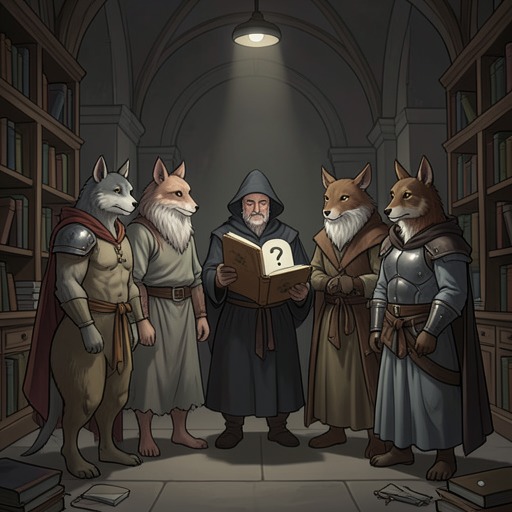
The decree followed a series of crude attempts to draw the boundary. In the fourteenth century, Burdock Muldoon, Chief of the Wizards’ Council, ruled that any member of the magical community who walked on two legs qualified as a being. That physical test grouped together creatures with little else in common, and it did not resolve what legal recognition should mean.
Muldoon’s successor, Madame Elfrida Clagg, tried a different criterion in the hope of creating closer ties with other magical creatures: the capacity to speak human language. Neither effort settled the issue. The question at stake was more than a name; being classified as a “being” meant potential legal rights and a voice in the governance of the magical world.
Stump’s Decree and Its Divisions
In 1811, Grogan Stump, the newly appointed Minister for Magic, established a definition of “being” that most of the magical community found acceptable. The decree’s importance lay not only in defining a category but also in giving creature governance a departmental structure.
An exception clarified the limits of the new arrangement. Ghosts said that it was insensitive to call them “beings” when they were plainly “has-beens.” Stump responded by creating three divisions within the Department for the Regulation and Control of Magical Creatures: the Beast Division, the Being Division, and the Spirit Division. The resulting system recognized spirits as a distinct administrative category rather than forcing them into the being-or-beast distinction.
Classification and Political Autonomy
The decree’s formal categories did not erase disagreements about membership or authority. Centaurs, whose habits differ markedly from those of humans, live in the wild, refuse clothing, and prefer separation from wizards and Muggles; nevertheless, their intelligence is equal to theirs. They objected to sharing being status with creatures such as hags and vampires and declared that they would manage their affairs separately from wizards. A year later, merpeople made the same request.
The Ministry reluctantly accepted these demands. Yet it retained a Centaur Liaison Office within the Beast Division, despite centaurs’ refusal to use it. The office became a bureaucratic joke: at the Department for the Regulation and Control of Magical Creatures, being sent to the Centaur Office meant that an employee was shortly to be fired. This mismatch between an official channel and the community’s chosen separation shows how a classification system can organize administration without securing participation or trust.
Legacy and Significance
Stump’s decree supplied a durable framework for the Department, but the continuing disputes around it show that classification was never merely descriptive. The successive tests—physical form, speech, and the administrative divisions that followed—made assumptions about which traits qualified a creature for political standing. Centaurs’ insistence on separate management exposes the limit of recognition granted from above: a group may be categorized as a being and still refuse the terms of inclusion.
The decree therefore marks both a practical settlement and an unresolved boundary. It made creature governance more legible to the Ministry, while the demands of centaurs and merpeople kept open the question of whether legal classification could accommodate communities that sought autonomy rather than representation within wizard institutions.